
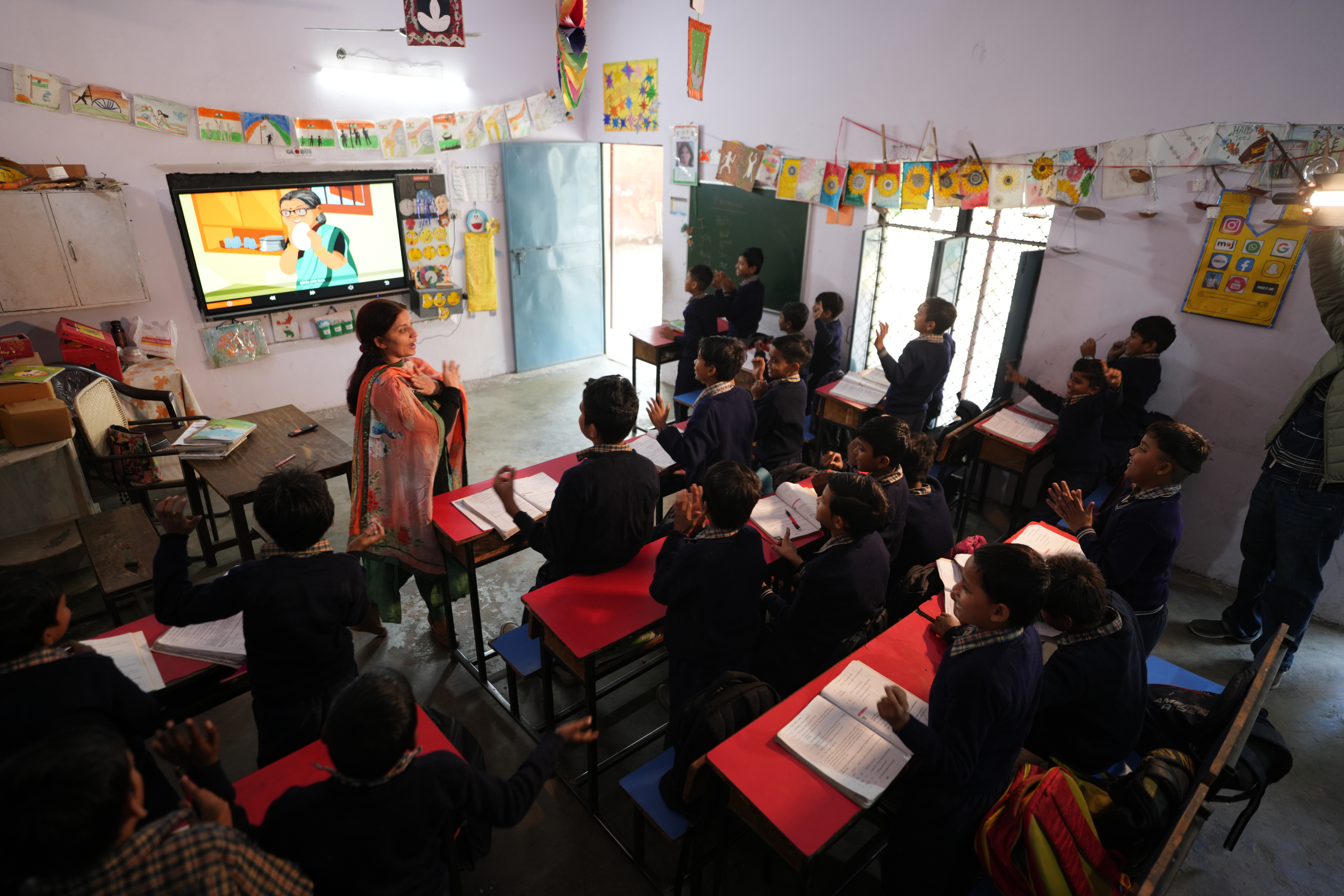
Introduction to Teacher Empowerment in Modern Education
Behind every inclusive learning environment is the educator who creates a learning space for children that allows them to learn, engage, and participate confidently. Often overlooked is a crucial factor behind the classroom experience: teacher empowerment.
Empowered teachers need continuous support, practical classroom resources and opportunities to grow and change their educational practices. This includes adapting lessons for different learning levels or using technology and digital learning tools in the classroom.
As India works towards strengthening foundational learning, it becomes equally important to invest in teachers as in curriculum or infrastructure.
Teacher Empowerment Driving Better Learning Outcomes
A confident teacher creates a confident classroom.
When educators can access structured lesson plans, effective teaching strategies, and ongoing professional guidance, they get the time to focus on the actual learning outcomes and see how children learn.
Empowering educators goes beyond academic workshops; it guides them and encourages them to experiment with activity-based teaching methods and observe student progress more closely.
This shift creates classrooms where children actively participate instead of passively memorising information.
Teachers Helpline Supporting Continuous Professional Growth
A dedicated teachers’ helpline bridges the learning gap between educators and students. As it provides timely assistance to educators who face challenges in lesson delivery, classroom management, or using new learning resources, the helpline provides practical teaching solutions to educators that help them continue teaching with confidence.
Sampark Didi Helpline by Sampark Foundation is designed on this approach. It offers ongoing academic support to teachers and guides them through teaching resources.
Rather than one-time intervention, it reinforces an important idea: teacher development is a continuous journey, not a single event.
Teaching Kit Enhancing Interactive Classroom Learning
Interactive classroom experiences create better learning outcomes. The same goes for young learners; when they can see, touch, and experience concepts, they comprehend subjects with better clarity.
With a thoughtfully designed teaching kit, teachers can transform abstract lessons into engaging classroom activities. Through manipulatives, storytelling and games, educators can create inclusive and collaborative learning environments for children.
Rather than adding complexity, these teaching resources simplify lesson delivery while helping teachers make every child an active participant in learning.
Teaching Materials for Primary Schools: Strengthening Foundational Education
During the early years of schooling, children develop the foundational learning skills that shape how they approach learning for the rest of their lives. Well-designed teaching materials for primary schools help teachers introduce foundational literacy and numeracy concepts through structured and age-appropriate activities.
Instead of rote memorisation, these teaching materials use visual aids, classroom games, and interactive exercises to support different learning styles, making lessons more engaging.
When teachers have access to quality learning materials, they can spend more time building understanding and less time creating the lesson plans and resources from scratch.
NGO Working for Education in India: Empowering Teachers
Every NGO working for education in India has the opportunity to strengthen classrooms by supporting the people who shape them every day: teachers.
Beyond just the infrastructure or digital accessibility of tools, NGOs can partner with government schools to develop sustainable educational outcomes.
These initiatives include professional development, classroom-ready resources, continuous mentoring, and partnerships that align with government education priorities.
Sampark Foundation follows this integrated learning approach that combines teacher support with practical innovations. It works toward the goal of improving everyday classroom experiences and helping young learners develop strong foundational and future-ready skills.
Interactive Teaching App for Children and Teaching Progress Tracking System
Interactive teaching apps for children help them reinforce classroom learning more clearly and actively through guided activities, visual content, and structured lessons
With such tools and teaching progress tracking systems, educators can get valuable insights into the children’s performance. They identify learning gaps and monitor student progress with regular assessments and insights.
Together, these digital tools make classroom decisions more informed, focused on student learning.
Sampark Didi Ke Sawaal Encouraging Active Classroom Participation
Sampark Didi Ke Sawaal introduces quizzes and question-based activities, allowing the children to participate and engage actively in the learning process. It makes the classroom assessment feel like part of the learning process instead of an examination. Students become more willing to participate, discuss ideas, and learn from one another.
For teachers, these activities help them get immediate feedback on student understanding while encouraging the little learners to create classrooms where curiosity becomes a daily habit.
Conclusion: Teacher Empowerment Creating Future-Ready Classrooms
Teacher empowerment becomes one of the most significant investments for government schools. When educators feel empowered, they encourage children with better learning opportunities and digital learning resources.
When a collaborative effort among NGOs, schools, and educators, it strengthens overall learning outcomes across classrooms. From classroom resources and helpline initiatives to digital learning tools, Sampark Foundation continues to build learning environments where every child has the opportunity to succeed.
FAQs
1. Why is teacher empowerment important for quality education?
Teacher empowerment plays an important role because it creates an engaging classroom learning environment for young learners. It equips them with skills, confidence, and ongoing support, improving student learning outcomes.
2. How does a teacher’s helpline support educators?
Teachers’ helpline support provides timely academic assistance to educators with lesson delivery guidance and effective teaching practices. It guides them to resolve classroom challenges quickly.
3. What are the benefits of using teaching kits and teaching materials for primary schools?
Teaching kits and structured learning materials encourage activity-based learning, improve concept clarity, increase student participation, and make lessons more interactive.
4. How do interactive teaching apps and progress tracking systems improve classroom learning?
Interactive learning apps engage students through guided activities, and progress tracking systems help educators monitor learning outcomes, identify early learning gaps, and personalise classroom instruction.


