
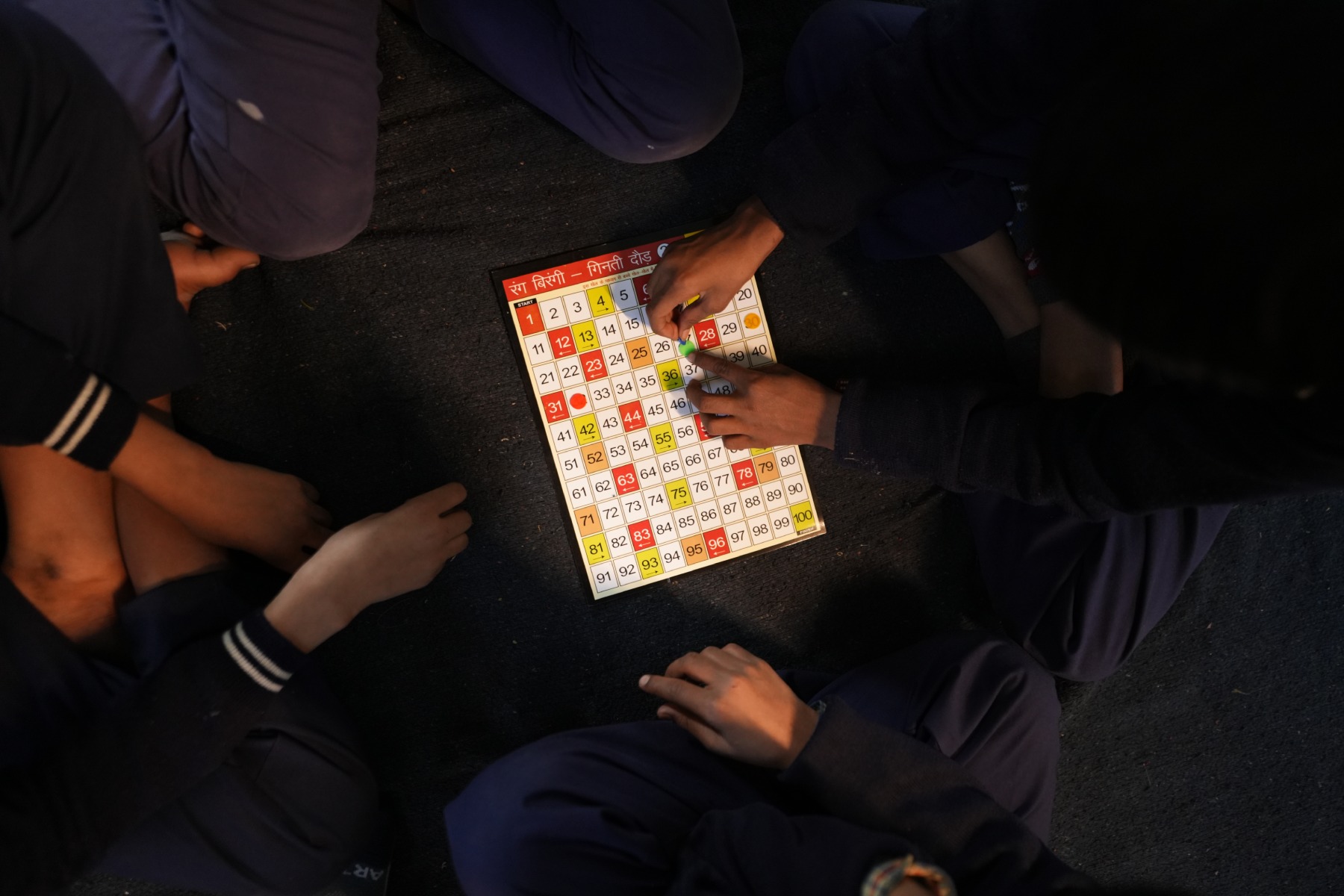
What are the Sustainable Development Goals for Education (SDG 4)?
In 2015, the United Nations introduced 17 Sustainable Development Goals (SDGs) as a global blueprint for building a more sustainable, healthier and fairer world by 2030. Among those goals is SDG 4: Quality Education, which aims to create lifelong learning opportunities and build inclusive learning environments for children across nations.
Sustainable Development Goals for Education (SDG 4) stands out as the cornerstone, as it directly influences the overall development of every other priority. It aims to create inclusive learning environments for children where they actually learn, understand, and grow through education.
The 2030 Agenda: Key Targets of SDG 4
The global goals for education 2030 outline clear, measurable priorities to ensure inclusive and quality education accessible worldwide:
- Universal schooling: Ensuring all girls and boys complete free, equitable, and quality primary and secondary education and establish effective learning outcomes.
- Early childhood access: Providing quality early childhood development, care, and pre-primary education to prepare children for school readiness.
- Affordable higher education: Guarantee equal access to affordable technical, vocational, and tertiary education for youth and adults.
- Increase the number of skilled workers: Increase the number of young people and adults with technical, vocational, and entrepreneurial skills to create decent jobs and support entrepreneurship.
- Equity in educational access: Eliminate gender, income, and vulnerability-based disparities to ensure inclusion for persons with disabilities and marginalised groups in society.
- Universal literacy and numeracy: Enable all youth and a substantial proportion of adults to achieve foundational literacy and numeracy.
- Education for sustainable development: Equip learners with knowledge and values related to sustainability, human rights, gender equality, peace, and global citizenship.
- Safe and inclusive learning spaces: Build and upgrade education facilities that are child-friendly, disability-inclusive, and safe.
- Expanded scholarships: Increase scholarship opportunities for learners from developing countries to pursue higher and technical education.
- Qualified teachers: Strengthen teacher supply through training, international cooperation, and capacity building.
Why Global Progress on Education is Stalling Today?
The COVID-19 pandemic slowed progress towards all-inclusive quality education, as only 58% of children had achieved minimum reading proficiency by 2019. Pandemic-driven schools disrupted learning for millions of children, particularly in regions with low and limited resources, where remote learning infrastructure was limited.
Another rising concern is Learning Poverty, where children attend school but lack basic reading and numeracy skills. It is because of the traditional, rote memorisation methods of learning. This concern highlights the reality of the education system: access to school alone doesn’t guarantee learning. Schools and universities need to prioritise quality education, using modern, innovative learning methods to ensure children comprehend information that goes beyond textbook learning.
The Link Between Quality Education and Other SDGs
SDG 4 quality education serves multiple purposes; it improves progress across the entire SDG framework. Empowering children with quality education in India shapes society and creates a sustainable future for the youth.
- Reduces poverty (SDG 1): Education improves literacy rates, which in turn improve overall employability and income opportunities for the people.
- Improves health outcomes (SDG 3): Educated communities prioritise health and make informed health decisions that keep them fit and healthy.
- Advances gender equality (SDG 5): Educated girls are more likely to focus on their own lives, pursue careers, uplift communities, and live their lives as they choose.
- Supports climate action (SDG 13): Awareness and education represent responsible citizens who foster responsible environmental behaviour.
Bridging the Gap: Education in Rural India
For many rural children in India, this mission of inclusive and equitable education remains distant. Many schools in underserved communities lack well-developed infrastructure, limited learning resources, and inconsistent access to digital learning resources.
Localised and vernacular teaching methods play a supportive role in making education accessible across underserved communities. Providing lessons in local dialects or in the state curriculum helps children understand the lessons more easily. Schools should prioritise accessibility, relevance, and context-sensitive solutions that cater to the children in remote communities.
The Role of Technology in Achieving SDG 4
Technology and digital learning tools make the “Education for All” motto a reality, even in remote regions. Digital learning tools deliver multimedia lessons, reinforce concepts through creative visual learning, and support competency-based learning with fun, interactive methods.
When schools embed technology and digital learning into their curriculum and daily classroom activities, they encourage students to learn and participate more effectively in the classroom learning.
Technology helps:
- Extend quality learning to remote areas
- Reduce teacher workload through structured lesson resources
- Improve engagement through interactive learning content
- Strengthen foundational literacy and numeracy skills with innovative learning activities
How Sampark Foundation is Driving SDG 4 at Scale
As an education NGO in India, Sampark Foundation demonstrates how innovative, frugal pedagogical methods can accelerate progress toward Sustainable Development Goals in schools. It empowers teachers and students to improve the learning outcomes in schools with its six innovations.
Through its innovative initiatives, Sampark Foundation provides:
- Curriculum-aligned digital learning tools in Hindi and English
- Offline-enabled classroom technology for low-connectivity areas, such as Sampark TV
- Teacher training tools such as the Smart Shala app, which provides structured lesson plans for teachers, saving teachers time in lesson planning
- Activity-based learning tools, such as Teach-easy kits, encourage participation and comprehension through playful, hands-on activities.
By collaborating closely with state governments, Sampark Foundation ensures solutions integrate seamlessly into existing education systems rather than functioning as parallel models. This scalable, cost-effective approach strengthens foundational learning and ensures that no child is left behind.
Conclusion
Achieving Sustainable Development Goal 4 for education goes beyond developing classrooms and schools. It is about changing methodologies and expanding access to quality education across regions. The importance of SDG 4 reminds us that education must be inclusive, equitable, and impactful to truly change lives.
Progress requires collective action from all active participants in the country, including governments, educators, communities, and organisations working on the ground. Because when innovative, teacher-centred solutions meet real classroom needs, education becomes a powerful force for equality, opportunity, and sustainable development.
Let’s build a better future to bring the world closer to the promise of SDG 4. Contribute and Become a Spark!


