
Introduction: Why Education is Evolving Beyond Academics
When children apply their learning in real-life situations to solve problems and find solutions, education becomes truly meaningful. And that’s what holistic education is all about. Preparing the children for life. The kids today need more than just traditional learning; they need skills, adaptability, and resilience to succeed in life.
This shift towards holistic education reflects how the global education system is taking this approach to nurture children with the true essence of learning. A holistic approach to education ensures that education moves beyond rote learning, allowing children to develop skills, values, and a mindset that support lifelong growth.
What is Holistic Learning? Understanding the Concept Clearly
Holistic learning is an approach that goes beyond traditional classroom methods, supporting all aspects of a child’s development, from empowering physical and creative growth to fostering cognitive, social, and emotional skills. It emphasises real-world learning rather than just rote memorisation.
It ensures that children explore more than just textbooks. Allowing them to engage, solve, and focus on all the other aspects of life rather than academic achievements.
Why the World is Moving Towards Holistic Education
Academic pressure is rising, with a 37% share in 2025, which highlights the rising mental health concerns and complexity of modern careers among students. Institutions and educators now prioritise children’s social well-being and skills over academic excellence.
With this shift towards all-inclusive education, people have begun to value skills such as problem-solving, teamwork, and adaptability among their children. As holistic education moves ahead, it allows parents to encourage their children and empower them to grow into confident individuals who can navigate change rather than fear it.
Key Global Trends Driving Holistic Learning
- Social Emotional Learning (SEL): The 2024-25 economic survey in India highlights how schools are integrating pedagogical tools into daily classroom learning to raise children’s emotional awareness, empathy, and resilience.
- Experiential learning models: Project-based, activity-driven, and interactive, lively methods are replacing traditional passive learning.
- Student-centred classrooms: Teachers are now students of rote memorisation. Prioritising these trends highlights the shift in education from information transfer to holistic student development.
Five Core Pillars of Holistic Development
Holistic development of students is about a balanced focus on all aspects of a child’s development. It nurtures all the dimensions such as:
- Cognitive Growth: Enhancing conceptual understanding, critical thinking and knowledge acquisition skills.
- Emotional Development: Develops confidence, resilience, and self-awareness.
- Social Skills: Encourages teamwork, communication, and empathy toward others.
- Physical Development: Focuses on health, physical fitness, play, and nutritional awareness.
- Creative Expression: Imagination, innovation, and problem-solving
Why Holistic Learning Creates Future-Ready Students
Beyond traditional learning, holistic learning offers children wide opportunities to explore more and engage beyond the classroom. With innovative learning tools and pedagogy, children become more confident, stay active in decision-making, and learn to face real-life challenges on their own.
Building emotional, cognitive, social, and creative skills through holistic education prepares children for unpredictable career paths and real-life challenges. Because they actively engage in the learning process, they develop conceptual clarity and retain knowledge more effectively.
Role of Teachers and Schools in Building Holistic Learning Environments
Teachers are the real facilitators of holistic learning. They create a learning environment where children can learn, explore, engage actively, and ask questions openly. With inclusive and safe learning environments, children participate without fear. As the classrooms become more interactive and open spaces for them to share ideas, treat mistakes as learning opportunities and grow as learners.
How Sampark Education Supports the Future of Holistic Learning
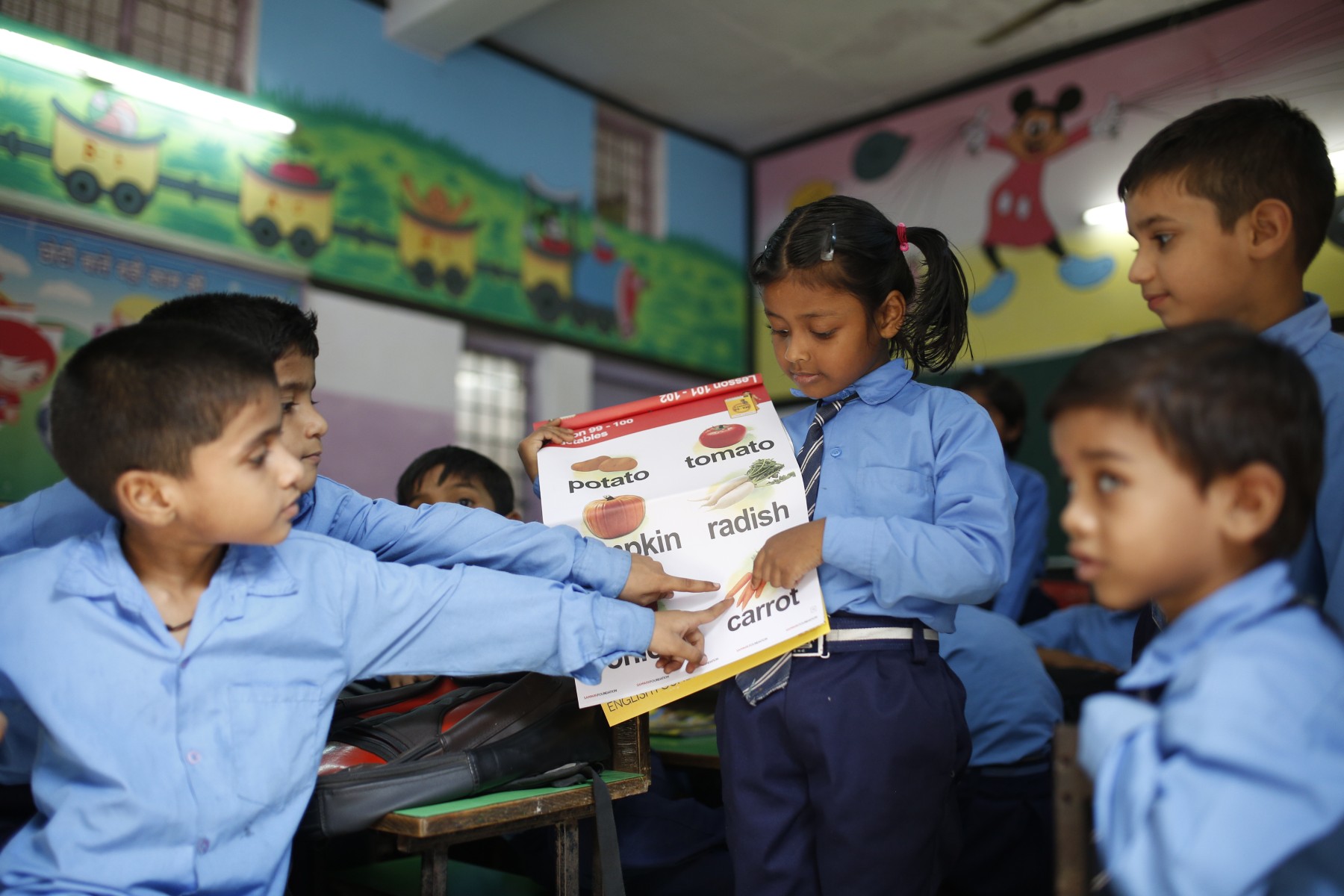
At Sampark Foundation, holistic education is an approach to make inclusive learning accessible to all students regardless of their social or economic background. With its six innovations and interactive learning tools, it empowers educators to teach in a fun, playful and lively environment. Through initiatives such as Sampark SmartShala and Sampark Smart TV, it combines conceptual learning with engaging activities that encourage children to participate.
It focuses on both aspects of the educational landscape, encouraging teachers through its SmartShala App, which helps them deliver effective lessons with structured lesson plans, interactive, holistic teaching strategies, and classroom-ready materials that prioritise real outcomes over academic scores.
The Path Ahead: The Future of Education in India and Globally
The future of education in India and around the world is clear. It should move beyond academic scores to empower and encourage children, preparing them for the future. All it requires is active collaboration between schools, NGOs, and the government to create holistic learning environments for the children across different regions.
A strong, holistic educational framework measures the real learning aspects such as participation, creativity and understanding. When efforts are coordinated, education reaches every classroom and region.


