
How Digital Classrooms are Bridging the Education Gap in Remote Areas
A silent divide continues to shape the Indian education system, widening the gap between rural and urban learning experiences. In urban schools, students learn through interactive screens, digital tools, and modern digital classroom learning methods. But in many rural and remote classrooms, children continue to learn with old classroom teaching methods, where the resources are limited, and classrooms are not fully equipped with modern teaching tools. This divide directly impacts the learning outcomes of the children and the overall growth of the Indian education system.
Digital Classrooms are bridging this gap by bringing interactive learning, audiovisual content, and advanced digital learning tools into rural classrooms. The digital classroom method is giving rural children the same chance to learn, explore and grow as their urban counterparts. This initiative is making quality education accessible and equal for every child.
What Are Digital Classrooms?
Digital classrooms are learning spaces where teaching is supported by technology, such as Smart TVs, tablets, audiovisual content, interactive videos, and modern teaching tools. Instead of old learning methods where students learnt only through textbooks, children learn with greater engagement and curiosity through visuals, stories, activities, and demonstrations that make concepts easier to understand and remember.
Digital classrooms in India are making learning more effective by providing teachers with access to interactive classroom tools that turn every lesson into an engaging, fun experience for children. In India, digital smart classrooms are becoming an essential part of quality education, especially in remote areas where access to updated teaching materials is limited. By making lessons more engaging and meaningful, they strengthen the learning foundation and help bridge the learning gap.
Understanding the Education Gap Between Rural and Urban India
The learning experience of every child in India can look different depending on where they grow up. While urban students benefit from digital learning, well-equipped classrooms, and exposure to new and trained teaching methods, many children in rural areas study in under-resourced schools with limited technology and learning facilities.
According to the UDISE+ 2023-24 Report, the percentage of schools having internet facilities increased from 22.3% in 2019-20 to 53.9% in 2023-24. This reflects the integration of digital technologies and tools into the education system. Digital smart classrooms help bridge this divide by providing high-quality, interactive classroom learning accessible to children in every environment.
Why Digital Classrooms Are Vital for Rural Areas
Digital classrooms in rural areas pave the way for quality education and childhood development by providing early access to equal, high-quality learning opportunities.
1. Equal Access to Quality Learning – Digital classrooms offer a learning experience similar to urban education schools. Combining interactive content, advanced learning tools, and structured lessons for rural education helps bridge long-standing learning gaps.
2. Better Classroom Engagement – Visual stories, videos, and activities make lessons easier for children to understand and remember. Allowing children to participate more confidently, especially in resource-limited environments.
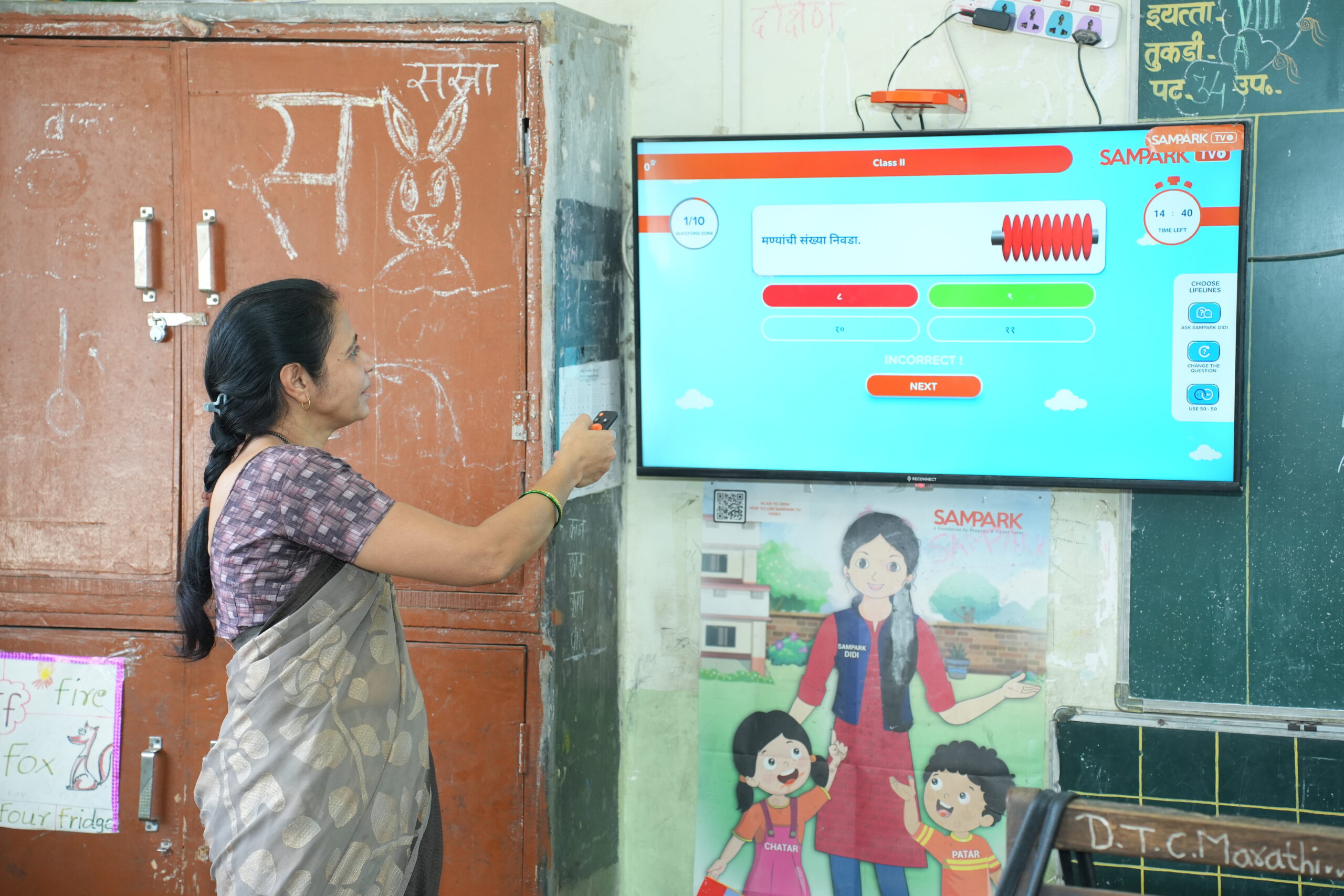
3. Support for Teachers in Remote Schools – Digital content acts as a supportive teaching aid, guiding teachers with modern digital classroom learning methods and tools. With Smart TVs, structured digital lessons, and easy-to-use tools, teachers can deliver stronger and more consistent learning outcomes.
4. Overcoming Resource Limitations – Digital classrooms have equalised the allocation of educational resources in classrooms. In schools with limited textbooks, outdated materials, or multi-grade classrooms, digital learning tools ensure children still receive updated and curriculum-aligned education.
5. Powering India’s Digital Education Goals – With the adoption of digital smart classrooms, the educational landscape of India is transforming rural education. By making quality education accessible in every school with advanced technologies and digital learning tools.
Challenges in Implementing Digital Classrooms in Rural Areas
Implementation of digital education in every school across rural areas faces significant challenges:
- Limited infrastructure – Many schools still lack basic infrastructure, including electricity, computers, and internet access, making it challenging to integrate digital learning methods into the education system.
- Limited digital readiness – In remote areas, teachers may need support and understanding to operate digital tools effectively.
- Content language barriers – Digital lessons are often not available in local or regional languages, which makes it difficult for early-grade learners to understand concepts and learn.
- Maintenance of devices – Rural schools struggle with technical support, repairs, and long-term upkeep of digital devices.
- Training & handholding – Teachers need ongoing guidance to integrate digital tools confidently into everyday teaching.
The Role of Public–Private Partnerships and NGOs in Scaling Digital Classrooms
Public–private partnerships play a crucial role in scaling digital education. Bringing innovation, training, and low-cost digital solutions to government classrooms. At Sampark Foundation, we work closely with education systems to bridge learning gaps that schools cannot address alone, whether through advanced learning technologies, teacher support, or community mobilisation. and educational systems.
By working closely with state governments, these public-private partnerships ensure that thefuture of digital learning in remote areas aligns with educational growth and national education goals, such as NEP 2020 and NIPUN Bharat.
How Sampark Foundation is Using Digital Classrooms to Bridge the Education Gap in India
Sampark Foundation is transforming teaching and learning in rural areas through its six innovations and smart learning initiatives. By making quality education accessible, joyful and approachable to every learner with cost-effective solutions.
Sampark Foundation’s programme is designed to turn regular classrooms into smart learning environments by transforming the fundamentals and empowering educators with its tech-novations. Our approach includes:
- Sampark Teach-easy Kits: Designed to make English and Maths learning fun and engaging. An interactive, engaging educational experience for children that makes learning easy through songs, board games, and activities.
- SmartShala App: Lesson plans designed to empower educators. Simplifies the teaching and learning process by guiding teachers on effective learning methods. It includes lesson plans, videos and question banks aligned with SCERT textbooks.
- Sampark TV: Innovation that transforms traditional classroom learning into interactive smart classroom learning. It offers engaging, interactive learning experiences by converting a standard TV into a Smart TV. It is accessible even without an internet connection.
And with various other innovations, Sampark Foundation continues to bridge the education gap, ensuring every child has the chance to learn, grow, and thrive with quality digital education.
FAQs
1. What is a digital classroom in rural schools?
A digital classroom uses digital learning tools such as Smart TVs, tablets, audio-visual content and interactive lessons to make learning more engaging and effective, even in resource-limited rural schools.
2. How are digital classrooms improving rural education in India?
Digital Classrooms in rural education make lessons clearer and more engaging. It includes updated learning materials, ready-to-use digital content, and teacher support to help children learn through visuals, stories and activities, improving classroom participation and learning outcomes.
3. Can digital classrooms work without high-speed internet?
Yes. Many modern digital classrooms, including Sampark’s Smart TV-based solutions, can operate without an internet connection, ensuring uninterrupted learning even in remote locations.
4. Are digital classrooms effective for early childhood education?
Absolutely. Young learners respond strongly to visuals, songs and interactive activities. Digital learning simplifies concepts and builds stronger early literacy and numeracy skills.
5. What tools are commonly used in a digital classroom?
Smart TVs, tablets, projectors, interactive videos, digital lesson plans, audio-visual content, and subject-specific teaching aids are commonly used to support teaching.


