
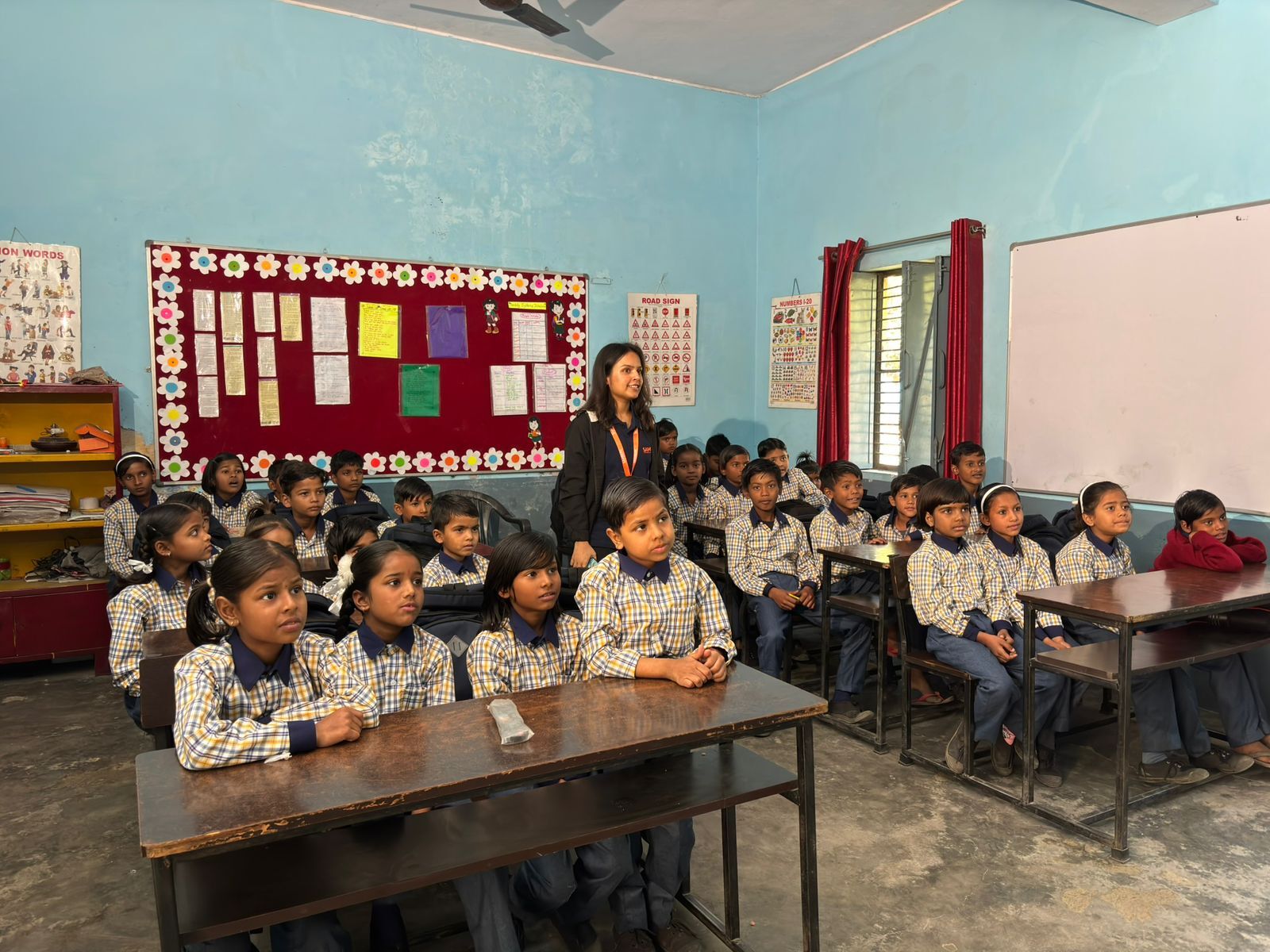
How Sampark Foundation Drives Equity and Inclusion in Education Across India
Introduction
Why Equity & Inclusion Matter Now?
India’s education landscape reflects the existing gap between rural and urban classrooms. Where children in underserved communities still rely on traditional classroom learning and rote memorization. Some classrooms are becoming tech-enabled and experiential, while many rural and government schools continue to operate with limited resources and uneven access to quality teaching. These disparities highlight the importance of inclusive education in daily classroom teaching.
Equity and inclusion in India’s educational system address two critical questions: Do all children have equal opportunities to learn? And are classrooms designed to support every learner, regardless of background or ability?
Sampark Foundation works as a supportive partner, using blended, teacher-led, low-cost solutions to build inclusive learning environments that work in real-world school conditions.
Defining Equity & Inclusion for Indian Classrooms
Equity and inclusion are both factors that work together to make quality education accessible across rural and government schools. Where,
- Equity focuses on fair access to quality teaching, learning materials, and academic support, especially for children starting at a disadvantage.
- Inclusion ensures that classroom environments are welcoming and responsive for the diverse students, across gender, language, disability, caste, and socio-economic background.
In the context of the Indian educational system, equity and inclusion in education must be designed into programmes from the start, to build strong foundational literacy and numeracy skills in children from an early learning age. Without this, even well-intended digital or academic interventions risk excluding the very children they aim to support.
Sampark’s Core Strategies for Equity
Sampark Foundation focuses on building solutions that are simple, relevant, and scalable to make an inclusive education classroom accessible in every rural classroom in India.
At its core, Sampark has created a curriculum-aligned digital content platform through the Sampark SmartShala App, ensuring that all students can access curriculum and state SCERT frameworks aligned with inclusive education.
Through structured training and on-the-ground mentoring, Sampark guides educators with structured lesson plans and interactive activity-based teaching methods to encourage active learning in daily classrooms.
To address infrastructure gaps in rural classrooms, Sampark deploys low-cost smart classrooms with Smart TVs, teach-easy kits, and offline-ready content. Sampark’s six innovations create an inclusive classroom environment for children in rural and government schools, without any dependence on high-end devices or constant internet access.
Inclusion on the Ground: Language, Gender & Accessibility
To make inclusive teaching meaningful across the classrooms in rural India, the key barriers that reflect classroom realities should be addressed. Sampark prioritises inclusive learning by addressing these key barriers.
- Language: Audio-first and regional-language lessons support non-readers and multilingual classrooms, helping children engage without fear or hesitation across all subjects.
- Gender: By implementing girl-friendly interventions that promote dignity and hygiene awareness, classrooms become safe learning environments, which improve attendance and retention among children, especially in upper primary grades.
- Accessibility: Combining simple teaching-learning materials (TLMs) with visual aids and flexible lesson structures in the classroom learning helps teachers adapt instruction quickly and easily for children with diverse learning needs.
All these small adjustments and collective efforts make inclusive education in India more responsive and effective.
Community Engagement & School Ownership
Creating an inclusive classroom environment requires the active involvement of parents, school management committees (SMCs), and local communities to make quality education accessible to all students in rural and urban classrooms.
Community members and teachers are trained to monitor tools usage, maintain infrastructure, and encourage regular attendance. This shared ownership strengthens accountability and ensures that inclusive learning environments are sustained beyond the initial implementation phase.
Measuring Impact: What Equity Looks Like in Outcomes
When key indicators beyond exam scores measure the outcomes of inclusive education, real development is evident. Measuring the impact of inclusive learning goes beyond classroom learning; it allows children to engage in creative, fun learning experiences and build strong foundational learning skills with each lesson.
Simple classroom observation tools and learning checklists help educators to assess whether inclusive teaching practices are being adopted. Across multiple geographies, Sampark has observed higher engagement and participation in classrooms where inclusive tools and training are consistently used.
Challenges & How Sampark Mitigates Them
Implementing inclusive practices in daily classroom learning in rural India poses challenges. In most of the rural areas, there is still a shortage of power supply and limitations on devices to implement inclusive education in rural schools.
Sampark addresses these issues with its low-cost, innovative, offline accessible learning tools. With its six innovations, it combines innovation and creativity to make education a fun, engaging, and exploratory experience for children in rural areas. It ensures that every child and teacher grows together through inclusive and active learning methods, building a sustainable future for all.
Conclusion
True inclusion and equity in education demand collective effort, thoughtful pedagogy, community participation, and systems designed for the most marginalised learners. When classrooms become encouraging and participatory environments for children, where they can question, explore, and learn, the outcomes of equity and inclusion can be truly visible.
Sampark Foundation ensures that inclusive education is achievable and accessible for every child, regardless of their social or economic background.
Make equity and inclusion a part of every child’s educational journey, support the cause and become a Spark.


